
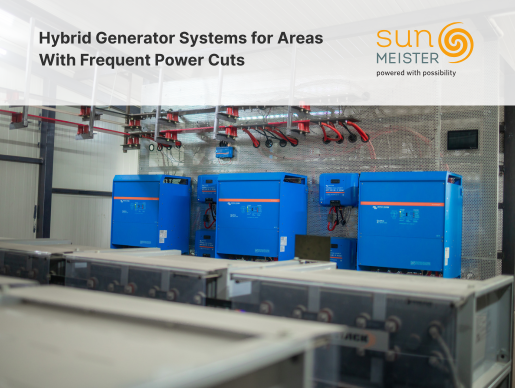
In many regions, frequent power cuts are a daily reality. Homes, shops, farms, hospitals, and small industries face repeated outages that interrupt work, damage equipment, and increase operating costs. Dependence on a single power source such as the grid or a diesel generator is no longer reliable or economical.
Hybrid generator systems provide a practical and long term solution by combining multiple power sources into one intelligent energy system. These systems ensure continuous electricity supply while significantly reducing fuel consumption and maintenance requirements.
What Is a Hybrid Generator System
A hybrid generator system combines two or more energy sources such as:
Utility grid power
Diesel or petrol generator
Solar power
Battery energy storage
Intelligent inverter and control system
Instead of running the generator continuously during outages, the hybrid system decides the most efficient source of power at any given time.
The generator works only when truly required, while batteries and solar handle routine energy needs.
Why Frequent Power Cuts Need a Smarter Solution
Areas with unstable electricity supply face several challenges:
Long daily outages
Voltage fluctuations and low frequency
High diesel consumption
Noise and air pollution
Rising fuel and maintenance costs
Equipment damage due to unstable power
Running a generator for many hours each day is inefficient and expensive. Hybrid generator systems solve these problems through energy management rather than fuel dependency.
How Hybrid Generator Systems Work
A hybrid generator system operates through automatic power prioritization.
During normal conditions:
Solar power supplies active loads
Excess solar energy charges batteries
During grid failure:
Batteries instantly take over the load
There is no interruption to connected equipment
When batteries reach a preset low level:
The generator starts automatically
It runs at optimal load to recharge batteries
The generator switches off once charging is complete
This cycle repeats automatically without manual intervention.
Key Components of a Hybrid Generator System
Inverter Charger Unit
The inverter charger is the brain of the system. It manages power flow between grid, generator, solar, batteries, and loads while maintaining stable voltage and frequency.
Battery Storage System
Batteries store energy for use during power cuts. Lithium batteries are commonly preferred due to:
Faster charging
Longer lifespan
Deeper discharge capability
Lower maintenance
Solar Power Integration
Solar energy reduces dependence on diesel and grid electricity. Daytime loads are powered directly by solar while batteries are charged for night use.
Diesel Generator
The generator acts as backup support. Instead of running continuously, it operates only when battery charge is insufficient or during extended outages.
Benefits of Hybrid Generator Systems
Significant Fuel Savings
Hybrid systems can reduce diesel consumption by 50 to 90 percent. The generator runs fewer hours and always at efficient load levels.
Continuous Uninterrupted Power
Battery based backup ensures seamless power during grid failure. Sensitive equipment continues running without restart or shutdown.
Lower Operating Costs
Reduced fuel use and fewer service hours lead to lower monthly operating expenses.
Improved Power Quality
Hybrid systems deliver stable voltage and frequency which protects appliances, motors, and electronic equipment from damage.
Reduced Noise and Pollution
Since the generator runs only occasionally, noise levels and exhaust emissions are drastically reduced.
Ideal Applications for Hybrid Generator Systems
Hybrid generator systems are suitable for many power critical environments:
Residential areas with daily outages
Rural villages and remote communities
Farms and irrigation systems
Small manufacturing units
Hospitals and clinics
Commercial complexes and offices
Telecom towers and network stations
Hybrid Generator vs Conventional Generator
Conventional generator systems depend entirely on fuel and operate inefficiently at partial loads. They require frequent servicing and produce inconsistent power.
Hybrid generator systems combine renewable energy, batteries, and smart control to deliver reliable power with minimal fuel usage and much lower running cost.
Over time, the savings in diesel and maintenance often exceed the initial system investment.
Long Term Reliability and Scalability
Hybrid systems are designed to grow with energy demand. Users can add:
Additional solar panels
More battery capacity
Higher inverter power
This scalability makes hybrid systems future ready and adaptable to changing energy needs.
Conclusion
Frequent power cuts demand more than temporary solutions. Relying solely on diesel generators leads to high fuel expenses, operational difficulties, and environmental impact.
Hybrid generator systems provide a dependable and efficient alternative by combining solar power, battery storage, and generator support into one intelligent energy solution.
By reducing fuel consumption, improving power quality, and ensuring uninterrupted electricity, hybrid generator systems offer long term stability for areas where power cuts are part of everyday life.